

In project-based approaches, the Gathering phase starts once the learners have:
- been introduced to the project and task/problem/question that poses the challenge;
- been allocated their groups and group roles.
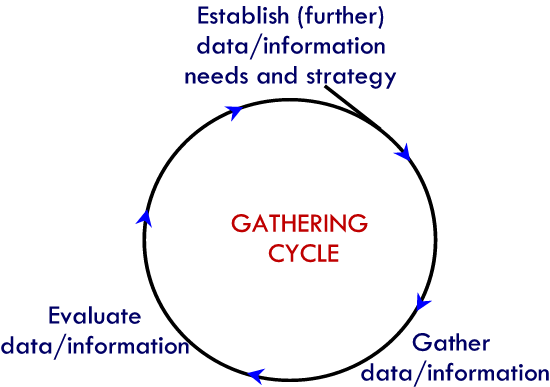
The new phase is characterised by the learners analysing the task and its information requirements. Good tasks will challenge the learners to engage in complex and higher-order thinking processes. Identifying what information and data will fuel that thinking is the first responsibility of the group. They then develop an information- and data-gathering plan and embark on what would quite likely be a number of gathering and evaluation cycles.
Analyse
- Analyse this video on an Physics of Skating project and try to establish what data- and information-gathering needs the learners would have had at the gathering stage.
[youtube http://www.youtube.com/watch?v=6bu_9sI7QTI]
Video: Learning the Physics of Skateboarding Engages Kids in Science”>Learning the Physics of Skateboarding Engages Kids in Science (7:02)  Share your responses to this with your group on the Gathering Phase group discussion.
WebQuest Resources
In the original WebQuests the intention was for the teacher to pre-research for mostly Web resources. There are advantages to this in terms of making efficient use of time in the classroom, but we also know that digital literacies are part of the 21st Century learning skills set. Refer to the course on Education in a Digital Society for more about that. If you want to assess the learners’ information literacy skills you may require them to be more active in developing an information-gathering plan. In this course we require you, the teacher, to pre-research the Web resources.
